
Product discovery and research
We start with the work users are trying to finish, not a mood board. Interviews, task analysis, and early prototypes reduce the risk of building the wrong thing before engineering spend ramps up.
UI/UX Design
Agam Studio designs the experience around the product you are actually shipping - not a deck that dies in development. We work from research and flows through UI, design systems, and the engineering handoff, so what gets built still matches what users need.
Build
Design that survives contact with engineering.
Pretty screens are cheap. The hard part is an experience that holds up under real tasks, real data, and a real codebase. Many teams struggle to get from research to a design system engineers can actually implement. Agam Studio sits with product and engineering - discovery, interaction design, accessibility, and the handoff - so the interface that ships is the one you agreed, not a diluted version of it.
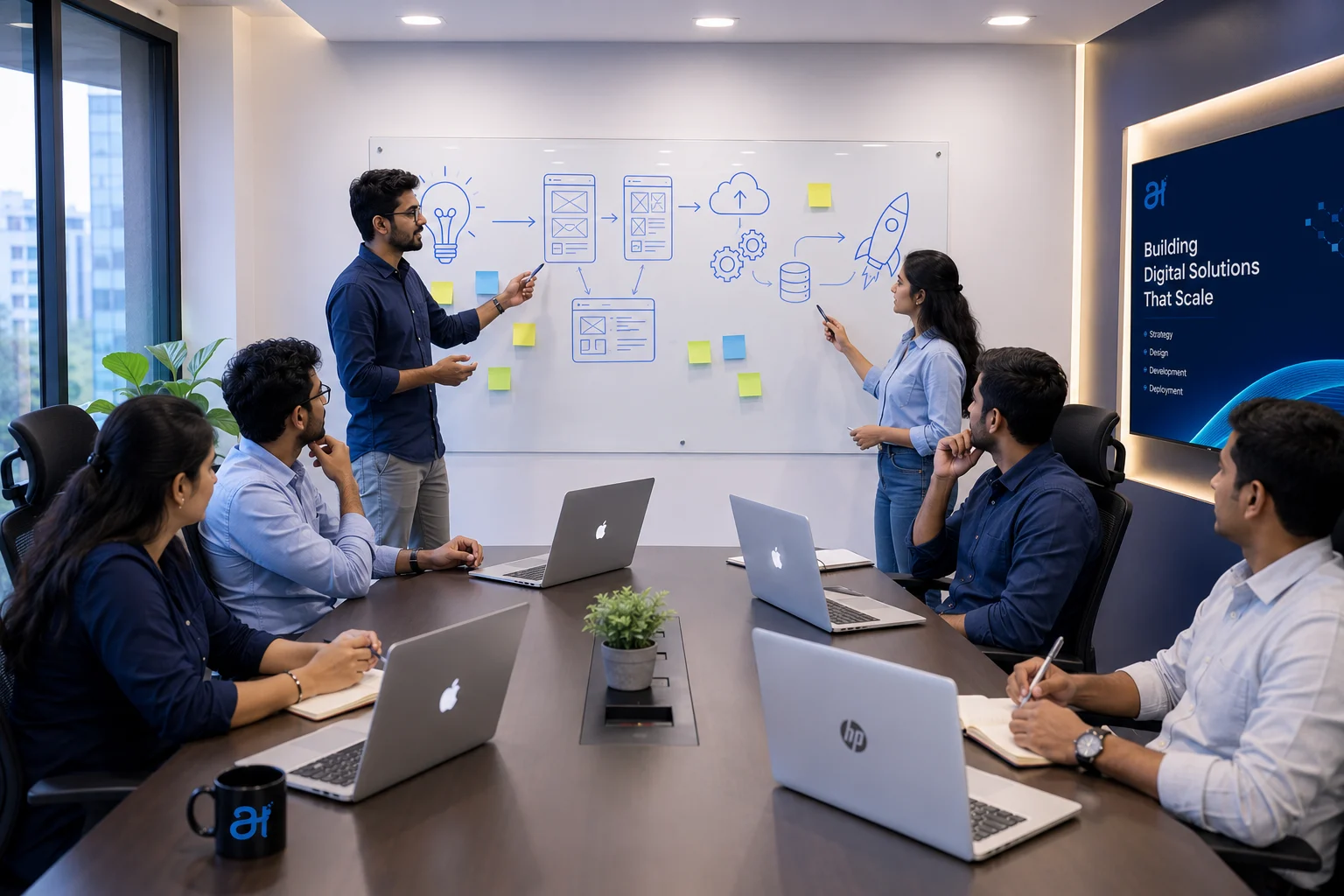
We start with the work users are trying to finish, not a mood board. Interviews, task analysis, and early prototypes reduce the risk of building the wrong thing before engineering spend ramps up.

We design screens, states, and flows for the product you will ship - empty, error, loading, and the unglamorous cases in between. The goal is clarity under real use, not a single happy-path mock.
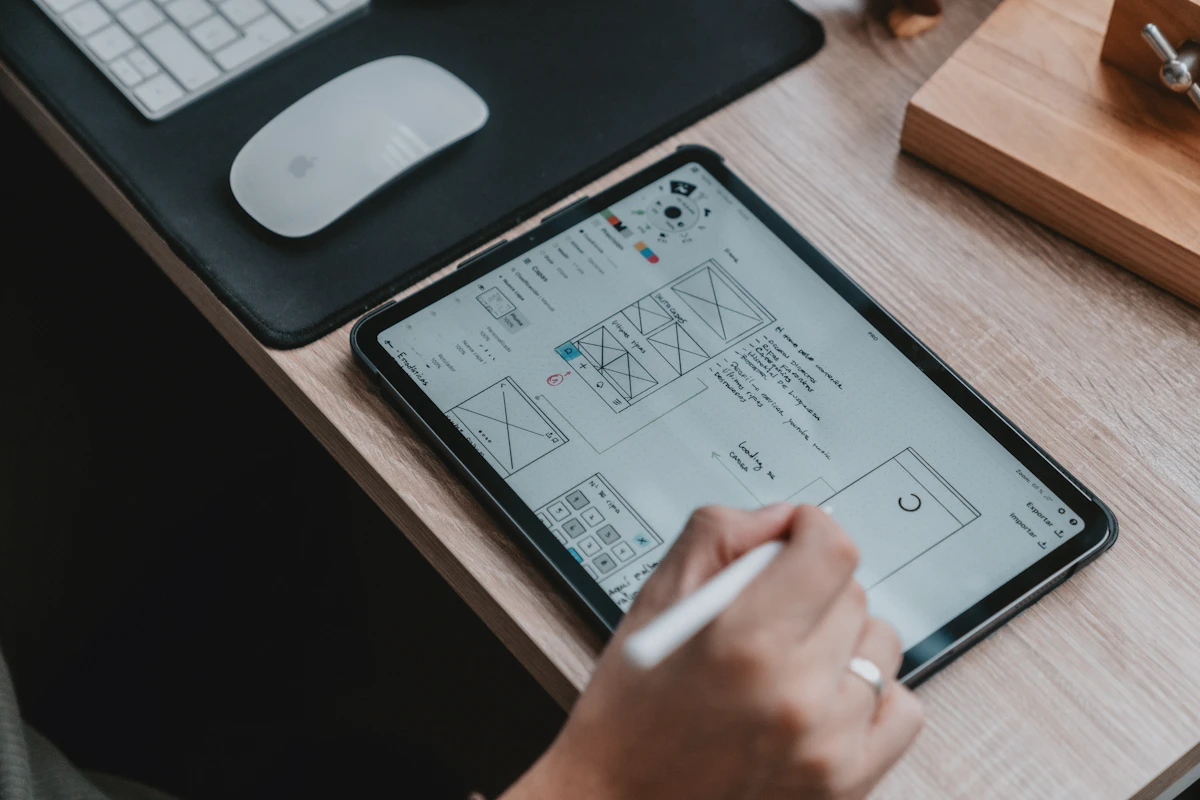
A design system is only useful if engineering will adopt it. We build component libraries, tokens, and documentation that match the stack you ship in - so new screens do not reinvent spacing every sprint.

We test with the people who will use the product and design to WCAG-minded standards from the start. Accessibility is part of the interface, not a checklist after visual design is frozen.

Specs, redlines, and Figma files are not a substitute for sitting with the people writing the UI. We stay through implementation so the built product does not drift from the intended experience.

A regulated fintech needed to replatform core services while keeping audit trails intact and releases predictable.

A manufacturer connected shop-floor sensors to operations dashboards with practical OT/IT boundaries.

A commerce brand tightened CI/CD, observability, and squad practices ahead of their busiest quarter.
Design decisions tied to conversion, completion, and support load - not decoration that gets rebuilt in development.
Accessible, consistent interfaces reduce error rates, training cost, and the chance a launch fails because nobody can find the primary action.
Refresh ageing products in slices - design system first, then high-traffic flows - without a risky big-bang redesign.
Future-ready product teams design for change from the start-scalability, portability, and incremental evolution-not a full rewrite every few years. This article walks through the signals most organisations miss and a practical framework for assessing whether your stack can support the next three years of growth.
Read the articleWhen delivery slows, incidents cluster, and retrospectives start sounding the same, the problem is often systemic-not individual. This article covers the earliest warning signs and what an independent technical audit should examine across people, process, and platform.
Read morePressure to ship AI pilots is real, but teams that skip strategy stall on unclear ROI, messy data, and governance gaps. This article explains why use-case clarity, data readiness, and guardrails must come before model selection-and how governance can actually accelerate adoption.
Read the article